
competition
Innovation India 2026
Innovation India 2026 brought together school students, young innovators and technology enthusiasts for a national celebration of practical hardware innovation.
Held on 26 September 2026 at Spectrum Metro Mall in Noida, the competition challenged students in Classes 8–12 to identify meaningful real-world problems and develop original, technically credible hardware solutions.
Nearly 60 project entries • More than 90 student participants • Free national competition
Submissions were almost evenly divided between working hardware prototypes and early-stage hardware concepts, demonstrating the creativity, technical curiosity and problem-solving ability of young innovators from across India.
Competition at a glance
| Event detail | Information |
|---|---|
| Date | 26 September 2026 |
| Venue | Dome Area, Spectrum Metro Mall, Phase 2, Sector 75, Noida |
| Format | Offline national grand finale |
| Eligibility | School students in Classes 8–12 |
| Team size | Individual participants or teams of up to five students |
| Registration fee | Free |
| Evaluation time | 5–7 minutes per team |
A day of student innovation
Throughout the competition, students presented their ideas, explained the problems they wanted to solve and demonstrated how their proposed technologies could work in real-world situations.
Projects represented a diverse range of innovation areas:
- Agritech and rural innovation
- Healthcare and medical technology
- Smart living and urban intelligence
- Disaster management and emergency response
- Education technology
- Aerospace and drone systems
- Autonomous robotics
- Assistive and rehabilitation devices
- Smart mobility and electric vehicles
- Industrial automation and the Internet of Things
- Climate technology and the circular economy
- Social-impact innovation
The venue became a live innovation space filled with sensors, robotic systems, smart devices, agricultural technologies, drones and hardware connected to mobile applications.
Participants were expected to do more than simply describe an idea. They had to explain the problem, defend their engineering decisions, demonstrate their understanding of the technology and respond to questions from the judges.
Submission tracks
Track A — Hardware prototype
This track was designed for teams that had developed a working physical prototype.
Participants submitted photographs and a publicly accessible demonstration video. During the grand finale, shortlisted teams demonstrated their prototypes and explained their:
- Hardware design
- Engineering process
- System functionality
- Intended users
- Expected impact
Track B — Idea with pitch deck
This track allowed students to present a technically credible hardware concept that was still at an early stage of development.
Each pitch deck covered:
- The problem being addressed
- The proposed hardware solution
- System architecture or circuit schematic
- Expected social or practical impact
- An indicative bill of materials
Every eligible project required a meaningful physical or hardware component. Pure software, app-only and website-only submissions were not eligible.
Evaluation process
Projects were evaluated across four principal dimensions.
Real-world problem solving and impact
Judges considered the importance of the problem, its relevance to the intended users and the practical value of the proposed solution.
Hardware engineering and execution
Participants were assessed on hardware integration, system architecture, circuit design, build quality, technical feasibility and their understanding of how the system worked.
Innovation and originality
The evaluation considered whether the project introduced a creative use of technology, a distinct engineering approach or an original way of addressing the selected problem.
Pitch clarity and responses to judges
Students were assessed on the clarity of their presentation, their ability to explain technical decisions and the quality of their responses during the question-and-answer session.
Each team received a focused 5–7 minute evaluation window covering:
- The real-world problem
- The proposed solution
- Hardware or engineering design
- Prototype demonstration or project pitch
- Questions from the judges
Event-day format
The grand finale was organized into five evaluation rounds. Shortlisted teams presented across four evaluation tables, supported by two judging pairs and controlled transitions between participating groups.
| Time | Activity |
|---|---|
| 09:00 AM–10:00 AM | Reporting, registration verification and badge allocation |
| 10:00 AM–10:40 AM | Evaluation Round 1 |
| 10:45 AM–11:25 AM | Evaluation Round 2 |
| 11:30 AM–12:10 PM | Evaluation Round 3 |
| 12:15 PM–01:00 PM | Lunch and technical break |
| 01:05 PM–01:45 PM | Evaluation Round 4 |
| 01:50 PM–02:30 PM | Evaluation Round 5 |
| 02:30 PM–03:15 PM | Score consolidation and judges’ deliberation |
| 03:30 PM–05:30 PM | Awards, certificates and closing ceremony |
Winners
🥇 1st Prize — ₹5,000
Saksham Dwivedi and Ravi
🥈 2nd Prize — ₹3,500
Advay Aggarwal
🥉 3rd Prize — ₹2,500
Anushka Tiwari and Kritika Tripathi
Recognition and certificates
In addition to the three principal prizes, Innovation India 2026 included special recognition for exceptional achievement in areas such as:
- Innovation and originality
- Social impact
- Hardware engineering
- Technical execution
- Project presentation
Participants received certificates recognizing their effort, technical learning and contribution to the competition.
Celebrating young innovators
Innovation India 2026 demonstrated that school students can engage meaningfully with complex problems when they are given the opportunity to build, test and present their ideas.
The competition encouraged participants to move beyond theory and experience the complete innovation process—from identifying a problem and designing a system to building hardware, presenting evidence and responding to technical questions.
The event also gave students an opportunity to interact with judges, receive practical feedback and learn from the projects presented by other participants.
Robotic Sir congratulates the winners and every student who participated, developed a project or supported a team during Innovation India 2026.
Event dignitaries
Judges & distinguished guests
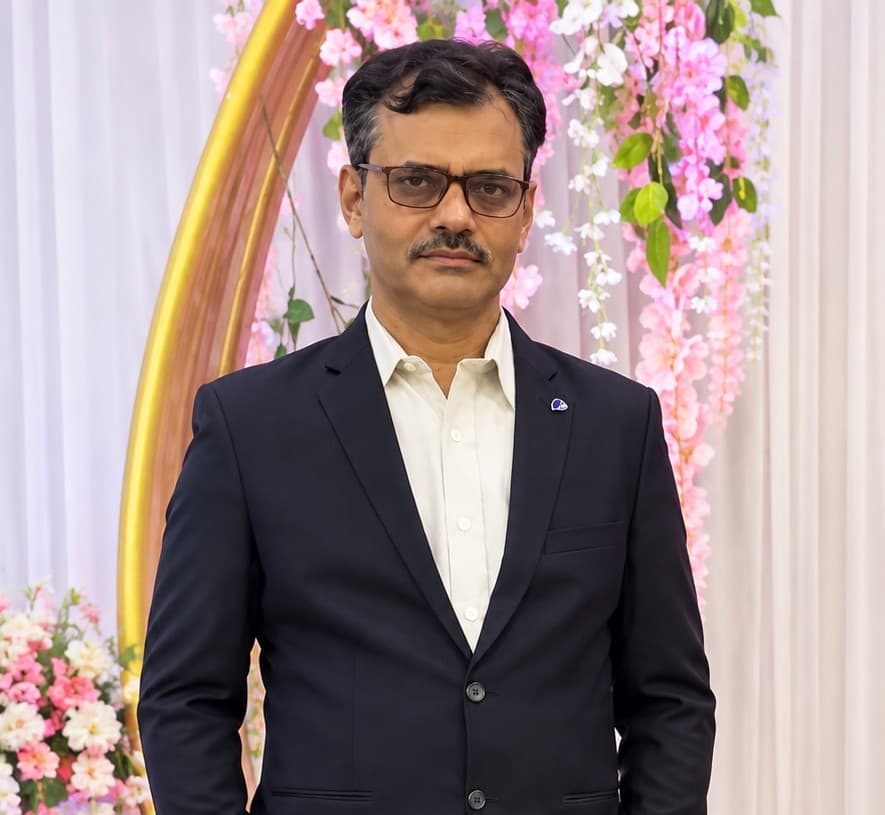
Mr. Surya Prakash Mishra
Associate Director (DRDO, SAG Lab)
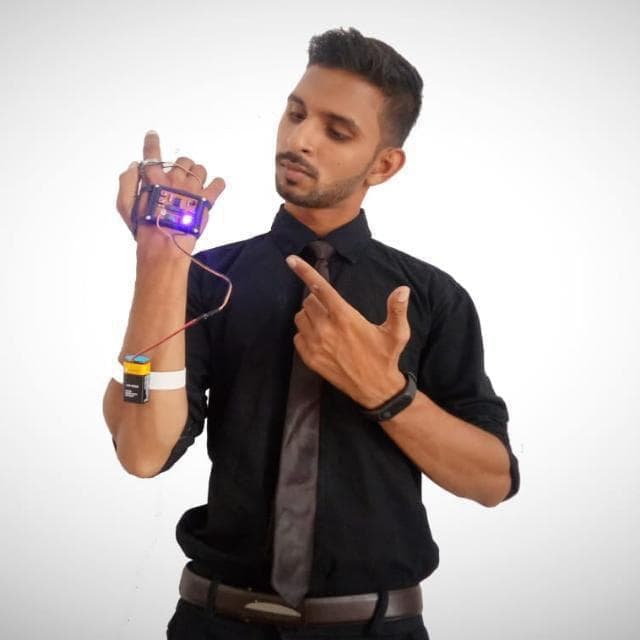
Mr. Ravi Kumar
Youtuber, Channel - Mr. TECH BOX (3M+ Subscribers)
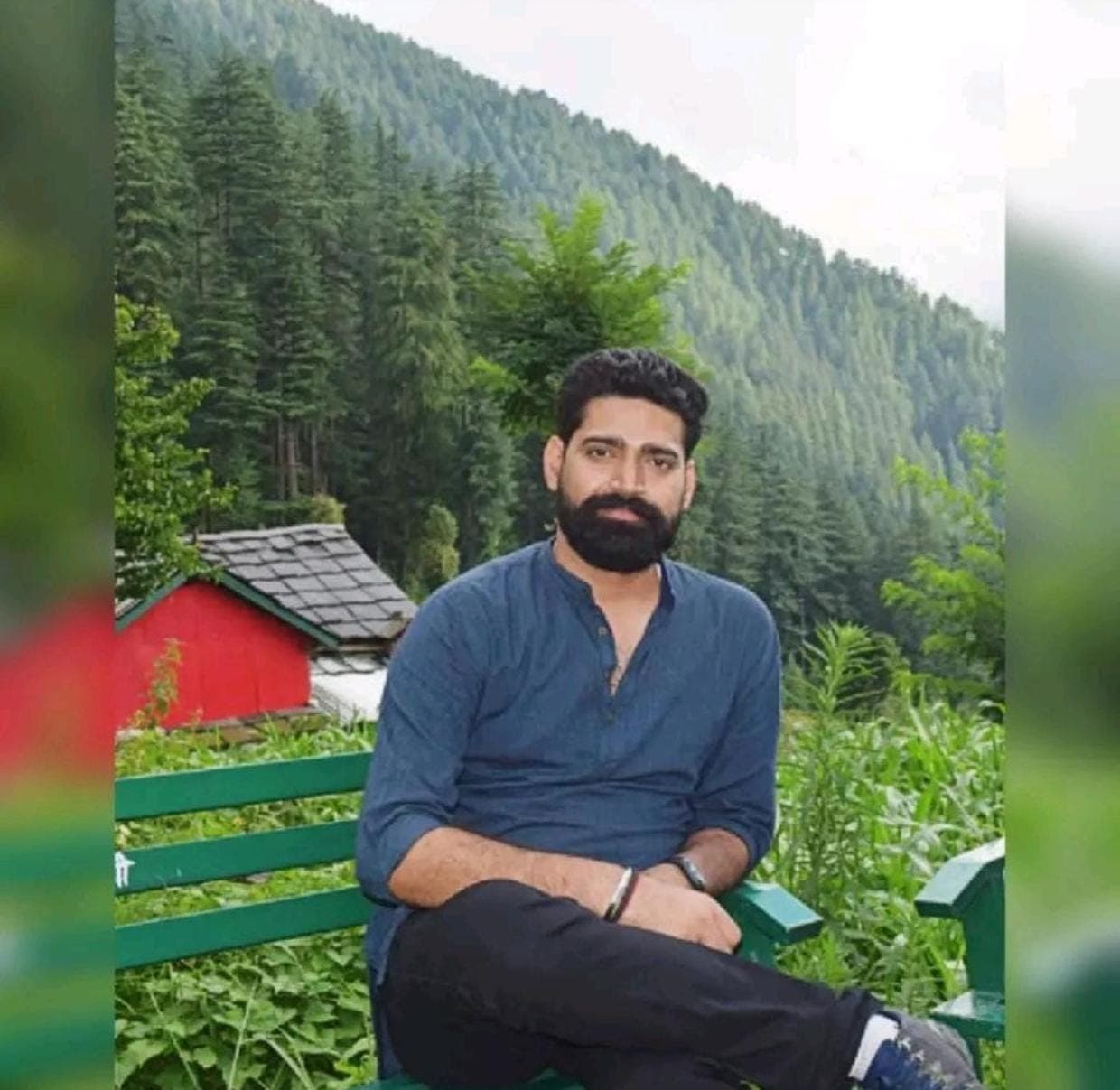
Dr. Rajneesh Kashyap
Professor, IIT Delhi
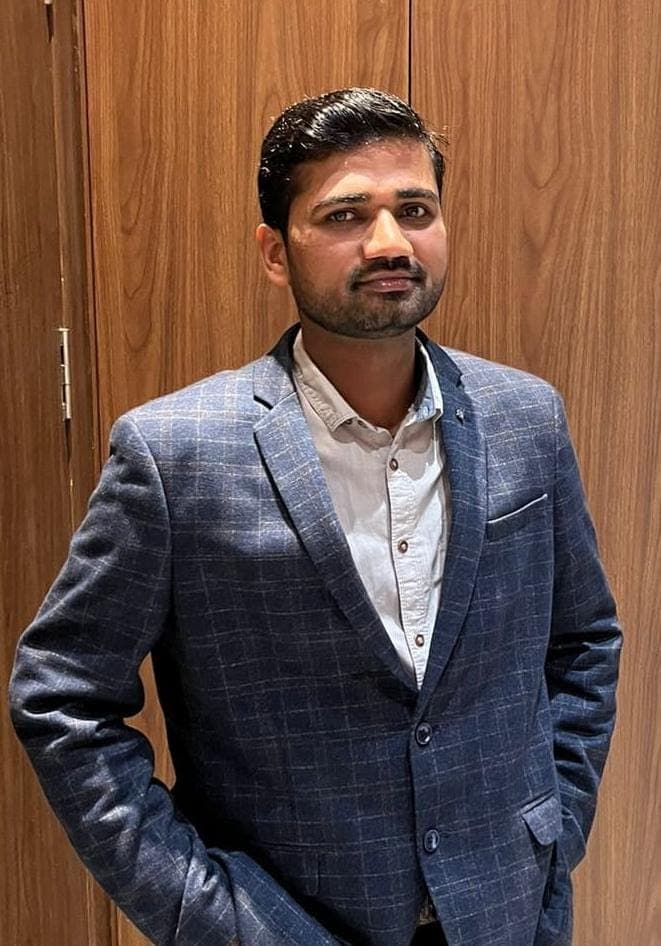
Dr. Rohan Kumar
Professor, IIT Delhi

Mr. Tejas Prataprao Chavan
Subject Matter Expert, Newton School of Technology